GRC ComplianceWithout the Audit-Season Panic
GRC compliance is where most security programs lose money — manual evidence collection, last-minute audit prep, and policy documents nobody reads. WhiteHawk's GRC compliance module continuously maps governance risk and compliance controls to the frameworks your regulator audits against, so the evidence is already there when the auditor walks in.
GRC Activities
Comprehensive testing and assessment capabilities.
Data and Evidence Collection
Structured Data Collection brings control evidence, documents, screenshots, technical inputs, and compliance artifacts into one place. Instead of chasing files before every audit, teams keep evidence connected to the right controls and frameworks as part of continuous GRC compliance.
Gap Assessment
A gap assessment scores your current compliance posture against selected frameworks such as SAMA CSF, NCA ECC, ISO/IEC 27001, PCI DSS 4.0, and other applicable standards. White Hawk helps identify missing controls, weak areas, and remediation priorities — feeding directly into your governance risk and compliance plan.
Risk Management
Risk management in White Hawk is a living register that connects each risk to likelihood, impact, affected assets, existing controls, owners, and mitigation plans. Teams manage risk continuously as part of ongoing GRC compliance instead of treating it as a once-a-year exercise.
Governance Management
Governance Management keeps policies, procedures, controls, responsibilities, and review cycles organized in one place. White Hawk helps teams assign ownership, track approvals, manage policy versions, and make GRC governance work easier to follow and maintain.
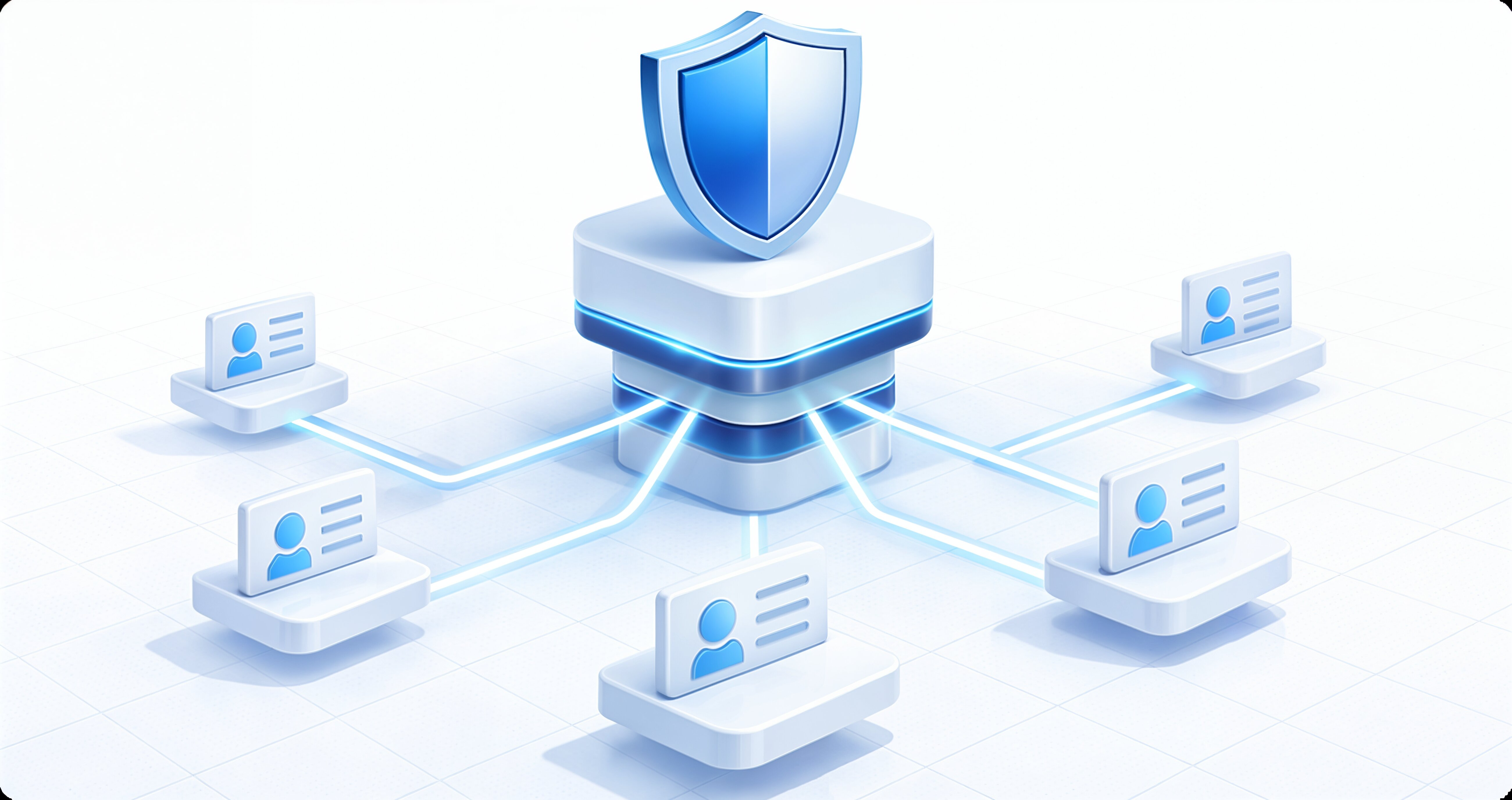
Compliance Management
Compliance management tracks requirements across regional and international frameworks, including SAMA, NCA, CBE, FRA 139, ISO/IEC 27001, PCI DSS, HIPAA, GDPR, Aramco CCC, DIFC, and ADGM. White Hawk helps teams monitor progress and manage multiple governance risk and compliance obligations from one place.
Audit Management
Audit Management in White Hawk prepares teams for audits with organized control evidence, ownership records, timestamps, remediation status, and supporting documentation, keeping GRC readiness work active throughout the year so audits stop being a fire drill.
Ticketing and Reporting
Ticketing and Reporting turns compliance gaps, risks, and audit findings into assigned tickets with deadlines, owners, priorities, and remediation steps. Reports for technical teams, management, auditors, and regulators are generated from live GRC compliance data at the level of detail each audience needs.
Frequently Asked Questions
A quick answer to the most common platform comparison question